
一站式铝单板定制生产厂家生产销售研发一站式 | 服务周到 | 包您满意
全国咨询热线:130-7848-8325
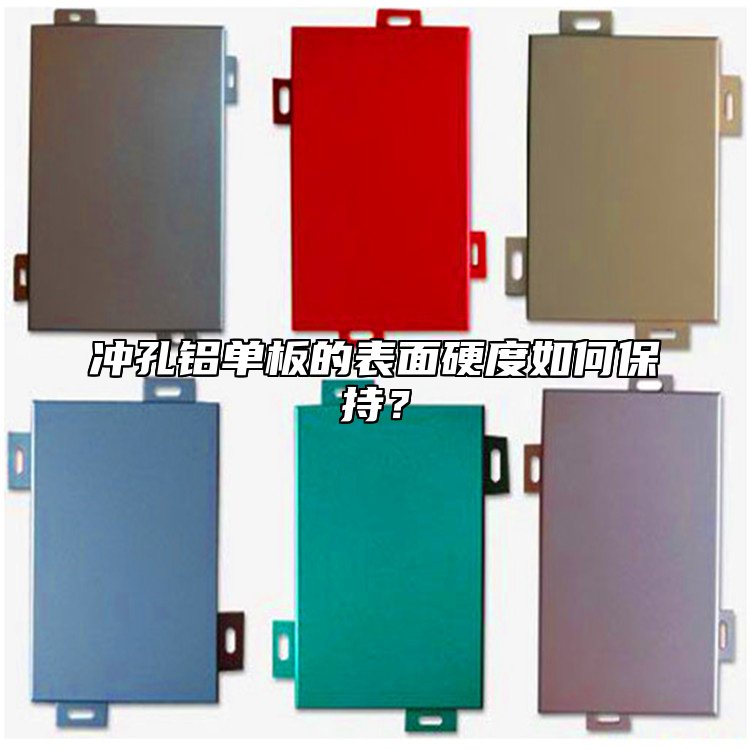
冲孔铝单板作为现代建筑装饰材料中的重要组成部分,其表面硬度的保持直接关系到材料的使用寿命和美观度。在建筑外墙、室内装饰以及各种功能性结构中,冲孔铝单板因其轻质、耐腐蚀和可定制性而备受青睐。表面硬度若不能得到有效维护,可能导致划痕、磨损甚至变形,影响整体性能。掌握保持冲孔铝单板表面硬度的关键方法至关重要。
选择合适的原材料是基础。冲孔铝单板通常采用高品质的铝合金板材,如1000系列、3000系列或5000系列铝合金,这些材料本身具有较高的硬度和抗拉强度。在生产过程中,通过冷轧或热轧工艺进一步优化铝板的机械性能,确保其初始硬度符合标准。经过H14或H24状态的硬化处理,铝单板的表面硬度可达到一定水平,抵抗日常冲击和压力。
表面处理工艺是维持硬度的核心环节。常见的处理方式包括阳极氧化、喷涂和氟碳涂层。阳极氧化通过在铝表面形成一层氧化膜,不仅增强硬度,还提高耐腐蚀性。这层氧化膜的厚度通常在5-25微米之间,可根据应用需求调整, thicker coatings generally offer better hardness retention. 喷涂工艺,如粉末喷涂或液体喷涂,应用环氧或聚酯树脂涂层,这些涂层在固化后形成坚硬保护层,有效防止刮擦和化学侵蚀。氟碳涂层(PVDF)则以其卓越的耐久性和高硬度著称,适用于户外环境,能抵御紫外线、雨水和污染物的侵蚀。
日常维护和清洁 practices play a significant role in preserving surface hardness. 定期使用软布或中性清洁剂轻轻擦拭表面,避免使用 abrasive materials or harsh chemicals that could scratch or degrade the coating. 对于户外安装的冲孔铝单板,建议每季度进行一次 inspection and cleaning to remove dirt, debris, and pollutants that might accumulate and cause micro-abrasions over time. 在清洁过程中, gentle water rinsing followed by drying with a clean cloth can help maintain the integrity of the surface without compromising hardness.
环境因素 also impact the hardness retention of perforated aluminum panels. 暴露在极端温度、湿度或化学物质中可能导致涂层老化或金属疲劳。在安装时,应考虑环境条件,选择适合的涂层类型。在沿海地区,高盐分环境可能加速腐蚀, opting for a thicker anodized or fluorocarbon coating can enhance hardness and longevity. 避免 direct impact or heavy loads on the panels can prevent dents and deformations that undermine surface hardness.
创新技术和定期检测 contribute to long-term hardness maintenance. advancements in nanotechnology have led to the development of nano-coatings that provide an additional layer of protection, enhancing scratch resistance and hardness. 定期进行硬度测试,如 using a durometer or microhardness tester, can help monitor the condition of the surface and identify potential issues early. 如果检测到硬度下降, timely re-coating or repair can restore the panel's performance.
保持冲孔铝单板的表面硬度 requires a holistic approach involving material selection, surface treatment, proper maintenance, environmental consideration, and technological innovation. 通过遵循这些 practices, users can ensure that their aluminum panels remain durable, aesthetically pleasing, and functional for years to come, ultimately supporting sustainable building practices and reducing replacement costs.
电话:130-7848-8325
邮箱:1491134799@qq.com
地址:佛山市南海区狮山镇松岗石泉松石路铁坑村“坑口”自编17号
Copyright © 高士达铝业(广东)有限公司
备案号:粤ICP备2024311917号 XML
 扫一扫


